
Understanding the College Essay
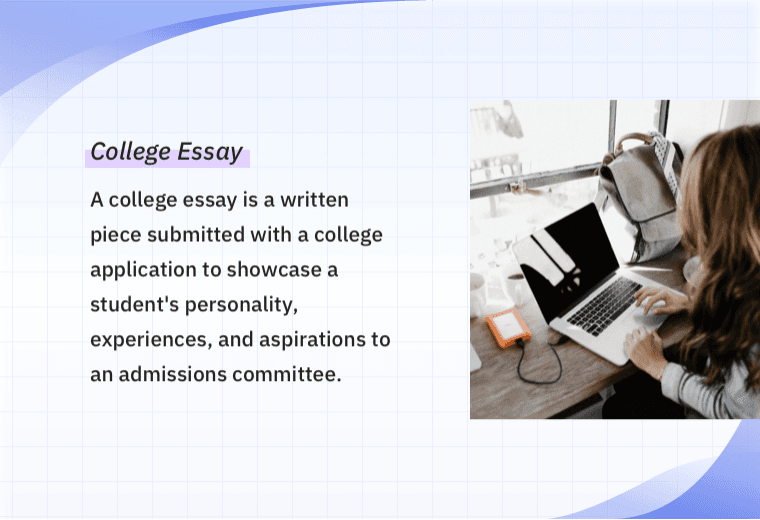
A college essay—often called the personal statement—is a short narrative that reveals who you are beyond grades, test scores, and activities. Instead of listing achievements, it offers a story that shows your character, values, and the way you think. At its core, the college essay answers one question: What should the admissions committee know about you as a person?
Why the Essay Matters in Admissions
Admissions officers read thousands of applications with similar academic profiles. The essay is where they look for individuality. It adds context to your record and helps them understand how you respond to challenges, what motivates you, and what you might contribute to campus life. A strong essay shows reflection, growth, and authenticity—qualities that often influence decisions when candidates have comparable numbers.
A: It reveals your personality, perspective, and potential in ways that grades and test scores. cannot.
What to Focus on When Writing
Your essay works best when it tells a story only you can tell. Instead of trying to cover your entire life, choose one meaningful moment, challenge, or theme that shaped you. Focus on:
- Personal experiences: Share real moments that show who you are, not just what you’ve done.
- Reflection and growth: Explain how the experience changed your thinking or shaped your values.
- A clear focus: Stick to one story or theme—depth is more powerful than breadth.
- Your real voice: Write the way you naturally speak. Honest and direct beats overly polished.
A strong college essay feels like a window into your life. It shows how you see the world, what matters to you, and what you hope to bring to a new community. When your story is authentic and reflective, it becomes one of the most memorable parts of your application.
Key Points for Writing an Effective College Essay
1. Start Early and Understand Requirements
Begin working on your essay in the summer before senior year. This gives you enough time to brainstorm, draft, revise, and refine your narrative before early application deadlines in November.
Check each college’s essay requirements online—topics, word limits, and submission platforms. Most students begin with the Common App, which allows a single personal statement (up to 650 words) to be sent to multiple colleges. The Coalition Application uses similar prompts with a 500–650 word limit.
Many colleges also require supplemental essays, typically around 150–250 words. These shorter responses often ask why you chose the school or how you connect with a specific academic field.
2. Choose a Meaningful and Focused Topic
You will usually have several broad prompts to choose from. The best essays focus on a specific moment, habit, interest, or personal challenge that reveals something important about you—how you think, what you value, or how you’ve grown.
- Don’t overthink the topic: You don’t need a dramatic or extraordinary story. Everyday experiences can be powerful when described with honesty and insight.
- Highlight what others can’t show: Use the essay to share aspects of your personality or background that don’t appear in your grades or activities list.
- Be reflective: Admissions officers want to see maturity and self-awareness, not just a description of events.
- Look forward: A strong conclusion often points to future growth or how the experience shapes your goals.
3. Focus on Voice, Clarity, and Authenticity
Your essay is one of the few places where admissions officers hear directly from you. Write in a voice that feels natural—neither overly formal nor overly casual. Aim for clarity, sincerity, and thoughtful reflection.
- Be yourself: Admissions readers want to understand you, not a version of you that sounds like a brochure.
- Stay within the word limit: A focused 650-word essay is more effective than a rambling one.
- Avoid trying to cover everything: Choose one core idea and explore it deeply rather than summarizing all your achievements.
- Revise with intention: After drafting, return to your essay with fresh eyes. Cut filler, strengthen reflection, and make sure every paragraph supports your main message.
When done well, your college essay becomes the part of the application that admissions officers remember most—it shows your voice, perspective, and potential in ways numbers cannot.
How to Structure and Write Your College Essay
Start With a Strong Opening
Your introduction determines whether the reader will keep reading. Instead of broad background information, begin with a specific detail, a striking sentence, or a vivid moment in action. A concrete scene often reveals your uniqueness more effectively than a generic statement like “I have been passionate about…”
Build a Clear Narrative Shape
Before writing, clarify what story you want to tell. Plan three key parts:
- What happened (the situation)
- Your thoughts and choices at the time (reflection)
- How this experience shaped you (growth)
This structure helps you stay focused and prevents your essay from turning into a list of activities or achievements.
Use Storytelling to Reveal Character
Admissions officers care most about how you think and why you act the way you do. Don’t just tell the reader that you are brave, responsible, or mature. Show these traits through real moments, actions, details, and dialogue.
Focus on Depth, Not Breadth
You don’t need to cover many events. One meaningful moment, a misunderstanding, a failure, or even an ordinary daily experience can become a strong essay if you explore your thinking and growth in depth.
Write With Your Natural Voice
Avoid writing in a “perfect” or overly polished style that loses authenticity. Engaging college essays are usually natural, sincere, and reflect a bit of personality. Keep it concise, and feel free to include humor or personal insight as long as it fits your voice.
Revise With Intention
A strong essay is rarely written in one draft. Each revision should focus on a different aspect:
- First draft: clarity and focus
- Second draft: specific details and vivid storytelling
- Third draft: depth of reflection
- Final draft: sentence flow, style, and elimination of unnecessary repetition
Reading your essay aloud can help you detect issues with rhythm, tone, and clarity.
Seek Thoughtful Feedback
Ask two types of people for feedback:
- People who know you: Check if the essay reflects your authentic self
- People who don’t know you: Assess whether your story is clear and understandable
Their feedback complements each other and helps you refine your essay accurately.
End With a Resonant Closing
You don’t need a dramatic conclusion or a forced summary. You can close with a reflective thought, a vision for the future, or a small detail that echoes the opening. A subtle ending often leaves a stronger impression than a rigid conclusion.
Recommended Structure for a 650-Word College Essay
A strong 650-word college essay usually has three parts: a compelling hook, a focused narrative body, and a reflective ending that reveals growth. Below is a practical breakdown with word-count guidance, short correct examples, and common mistakes to avoid.
1. Hook (50–80 words)
Purpose: Pull the reader in with a concrete moment, action, or image—don’t explain the lesson yet.
Good example: The sound of chalk snapping echoed through the empty classroom as I rewrote the equation for the fifth time. Everyone else had gone home, but I couldn’t leave the problem unsolved—not yet.
Common mistakes:
- Too broad or generic: “Since I was young, I have always loved learning.”
- Giving the lesson away too early: “This moment taught me the value of persistence.”
2. Narrative Body (300–350 words)
Purpose: Expand the scene, show choices, conflict, and the turning point. Focus on one coherent story.
Good example (excerpt): Mr. Liu stopped beside my desk and asked, “What are you assuming here?” That question made me reframe the problem. I stopped relying on my first instinct and rebuilt the logic piece by piece.
Common mistakes:
- Listing achievements instead of telling a story.
- Trying to cover too many events—loses emotional through-line.
3. Reflection & Meaning (200–250 words)
Purpose: Explain what the experience reveals about you and connect it to how you’ll act or think in the future.
Good example (excerpt): Solving that equation didn’t make me a mathematician, but it changed how I approach problems: patiently, with questions instead of assumptions. That mindset now guides my tutoring, my leadership in STEM club, and my academic goals.
Common mistakes:
- Vague or clichéd moral statements: “This changed my life forever.”
- Simple summary instead of genuine insight: “In conclusion, this was important.”
Quick summary: Hook (50–80 words) → Narrative Body (300–350 words) → Reflection & Meaning (200–250 words). Use specific scenes and details, keep the focus narrow, and let reflection arise naturally from the story.
Key Writing Techniques
1. Craft a Strong Opening
Start With a Vivid Hook: Open with a specific moment, action, or detail to grab attention immediately. Avoid clichés or broad statements.
2. Define Your Central Message
Focus on One Core Theme: Center your essay around a clear message, value, or lesson. Ensure every paragraph supports this theme.
3. Illustrate Through Details
Show, Don’t Tell: Use concrete details, dialogue, and actions to demonstrate traits like resilience, leadership, or curiosity instead of stating them.
4. Highlight Personal Growth
Reflect on Growth: Include moments of learning, change, or insight. Connect past experiences to future goals.
5. Build a Smooth Story Flow
Maintain a Clear Narrative Flow: Use a simple outline: hook, background, key moment, turning point, reflection, forward look. Apply transitions to link ideas smoothly.
6. Preserve Your Authentic Voice
Use Authentic Voice: Write naturally and honestly. Avoid overly formal or generic phrases. Keep sentences clear and concise.
7. Add Meaningful Specifics
Integrate Specific Details: Name places, objects, or feelings to make scenes feel real and memorable. Ensure details support your theme.
8. Revise Through Multiple Drafts
Draft Multiple Versions: Focus on content first, then refine language, flow, and clarity in subsequent drafts.
9. Read Aloud to Improve Clarity
Read Aloud and Revise: Detect awkward phrasing, repetition, or unclear points. Trim unnecessary words and clarify meaning.
10. Use Thoughtful Feedback
Seek Feedback Thoughtfully: Ask reviewers who know you and those who don’t. Focus on clarity, impact, and whether your story feels authentic.
11. Conclude With Purpose
End With Purpose: Close with reflection or a forward-looking insight. Echo a detail from the beginning to create a sense of completeness.
12. Adjust for Different Prompts
Adapt Without Losing Voice: When applying to multiple schools, adjust emphasis to fit the prompt while keeping core story and voice consistent.
Writing a great college application essay is both a journey of self-discovery and a meticulous revision process. By following these steps—brainstorming, building a clear narrative structure, and refining the first draft—you can create an application essay that truly reflects your personality.
Your story has power. Instead of striving for perfection, focus on authenticity and depth, letting your experiences speak for themselves.
Need a boost? EssayPass’s AI essay writing tool can help you overcome writing barriers, polish your arguments, and make your application stand out. Start brainstorming today and let your unique voice shine.