
Getting MLA essay format right isn’t hard—but one small mistake can silently cost your grade.
Many instructors don’t explain where points were lost. They expect formatting to be correct by default. When margins, headers, or citations are even slightly wrong, grades drop quietly—often without feedback.
This is why understanding mla essay format is more important than most students realize. For many instructors, MLA compliance is a baseline requirement, not an extra skill. Before argument quality or analysis depth is considered, proper formatting signals whether a paper meets academic standards. Often, the difference between an average paper and a high-scoring one lies in how precisely MLA rules are followed.
The First MLA Formatting Details Instructors Check
Before evaluating ideas or arguments, instructors usually glance at the essay layout. They want to see if it meets MLA expectations at first sight.
Formatting serves as a credibility filter. When basic MLA rules aren’t followed, the paper may feel rushed or unreliable—even before the content is read.
The sections below cover the MLA elements instructors check first and penalize most often.
Page Setup: The Fastest Way to Lose Easy Points
Page setup is checked within seconds.
Instructors quickly notice:
-
Margins that are not exactly 1 inch
-
Fonts other than Times New Roman
-
Font sizes larger or smaller than 12 pt
-
Single spacing instead of double spacing
Such mistakes affect the entire paper, not just one section. Proper page layout signals that a student followed instructions carefully.
Headers and Titles: Small Errors Instructors Spot Instantly
Headers are often noticed subconsciously.
Common issues include:
-
Missing last name or page number
-
Incorrect alignment
-
Header appearing only on the first page
Title formatting problems are just as common:
-
Bolded or italicized titles
-
Decorative fonts
-
Extra spacing above or below the title
These errors may seem minor but suggest incomplete understanding of MLA rules.
MLA In-Text Citations: Where Grades Drop Quietly
Instructors expect citations to be correct without explanation.
They check for:
-
Correct author names
-
Page numbers included
-
Proper punctuation and placement
Example of a common mistake:
Students often write: (Shakespeare, 45) ❌
Correct MLA format: (Shakespeare 45) ✅
Even small citation errors raise doubts about academic accuracy and can result in lost points.
Works Cited: The Page That Determines Academic Credibility
Instructors often review Works Cited with extra care.
Frequent problems include:
-
Missing italics
-
Incorrect order of citation elements
-
Incomplete website information
-
Sources cited in text but missing from the list
Example of a common error:
Incorrect: Orwell, George. 1984. Penguin, 2003. ❌
Correct MLA format: Orwell, George. 1984. Penguin, 2003. ✅This page often determines whether an essay feels academically finished.
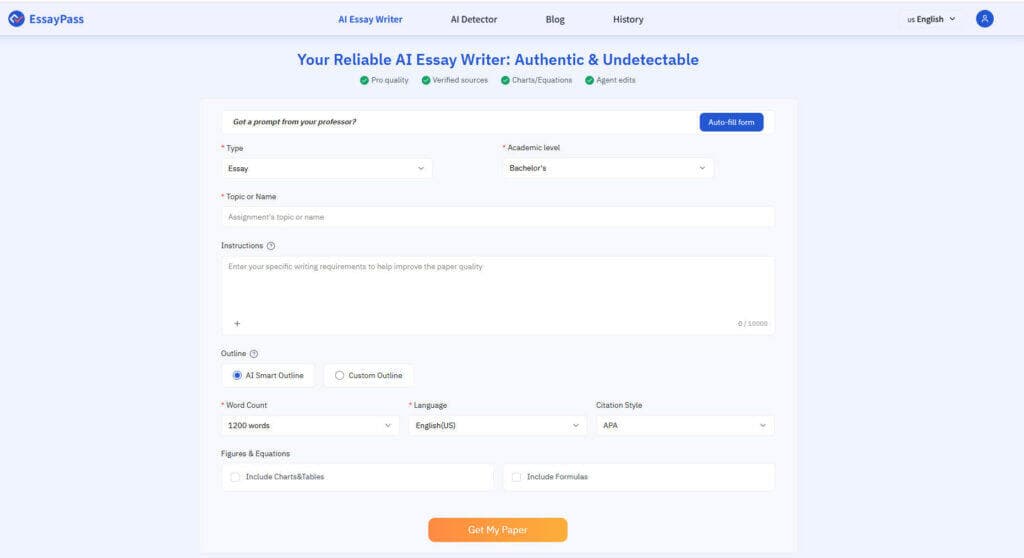
Tip: A highly effective solution for managing MLA citations is EssayPass. It automatically generates and updates a fully MLA-compliant Works Cited page, ensuring formatting accuracy and reducing the risk of point loss—especially for essays with multiple sources. This allows students to focus on developing their arguments while maintaining complete compliance with MLA standards.
MLA Essay Format Example: Standard Structure
A properly formatted MLA essay generally includes:
-
Header with last name and page number
-
Student information (first page only)
-
Centered essay title
-
Introduction paragraph
-
Body paragraphs with MLA in-text citations
-
Conclusion
-
Works Cited page
Inconsistencies in any part of this structure are noticeable to instructors. To maintain correct formatting from start to finish, students may find EssayPass guides on essay formatting especially useful.
Why MLA Formatting Errors Keep Reappearing
Most MLA mistakes don’t result from carelessness.
They occur because:
-
Revisions disrupt spacing and headers
-
Adding new sources breaks citation order
-
Manual formatting creates inconsistencies
Consistency is key; MLA formatting must be maintained across the entire document, not just during the initial setup.
MLA Format Is a System, Not a One-Time Setup
MLA essay format functions as an integrated system:
-
Layout
-
Headers
-
Citations
-
Works Cited
Changes in one part can affect others. Using EssayPass ensures that formatting and citations remain accurate throughout revisions.
Final Reminder: MLA Formatting Is a Grading Baseline
MLA essay format is not optional—it forms the foundation of academic credibility. Instructors often assume that errors reflect carelessness, even if the essay’s content is strong.
Strong arguments only shine when the essay meets MLA standards. Inconsistent formatting, missing citations, or an incomplete Works Cited page can quietly lower grades.
By leveraging EssayPass to manage citations and automatically generate a fully MLA-compliant Works Cited page, students can eliminate formatting errors, maintain consistency throughout revisions, and devote more attention to developing their arguments. For further guidance on academic essay writing, see how to write an academic essay.