
A narrative essay is more than a recount of events. It tells a personal story that reveals a lesson, a shift, or a truth that matters. When done well, it turns an ordinary moment into an experience that pulls readers in and keeps them emotionally engaged.
Yet many writers get stuck at the beginning. You may have a vivid memory but feel unsure how to shape it, build tension, or show its meaning.
How do you make readers feel present, as if they’re standing beside you at the turning point? The blank page can feel intimidating.
This guide breaks the narrative essay into clear, actionable steps. You’ll learn how to choose a strong topic, build a simple outline, and use concrete, sensory details to bring your story to life.
With practical examples and a full walkthrough, you’ll gain the confidence to write a narrative essay that is engaging, meaningful, and well-structured. Start your path to mastering the narrative essay today.
What Is a Narrative Essay
A narrative essay is a story-driven essay that shares a personal or imagined experience to convey a lesson, insight, or meaningful truth. Unlike expository or argumentative essays, a narrative essay immerses readers in events, emotions, and reflections, often using vivid, sensory details to bring the story to life. Mastering this form helps writers connect with readers emotionally and show personal growth.
Purpose of a Narrative Essay
The main goal of a narrative essay is to share a story that connects with readers while highlighting the writer’s growth, values, or insights. Teachers and admissions officers use narrative essays to understand how you make sense of experiences and reflect on life. A focused, well-chosen story allows the reader to see your character and thinking process, rather than just a list of achievements.
For example, writing about a small but transformative moment—like mentoring a younger student or overcoming a personal setback—can reveal resilience, empathy, and learning.
Key Elements of a Narrative Essay
A narrative essay is more than a sequence of events; it is a crafted story with depth, insight, and personal voice. Here are the essential components that make your narrative compelling:
Build a Clear Story Arc
Organize your essay with a strong beginning, middle, and end. Map key scenes or sections to ensure the narrative flows logically and keeps the reader engaged. A clear structure prevents your story from feeling scattered or like a list of events.
Own the First-Person Voice
Writing in the first person (“I”) makes your story personal and relatable. Use your natural voice to convey thoughts and emotions authentically. Tools like EssayPass can help smooth phrasing without losing your unique tone.
Keep the Theme Front and Center
Every story has a lesson or message, whether it’s resilience, kindness, or growth. Make sure the theme remains consistent throughout. Reflect on how each scene connects to your central message to guide the reader toward your insight.
Make Your Descriptive Language Vivid
Use sensory details—sight, sound, touch, taste, and smell—to bring scenes alive. Choose specific nouns, strong verbs, and precise adjectives to make the reader feel present in the moment. Figurative language like metaphors or similes can enhance imagery.
Write a Guiding Thesis
A clear thesis or central insight serves as the essay’s backbone. It tells readers what the narrative is ultimately about and helps you stay focused. Ensure every paragraph and anecdote supports this thesis, creating a cohesive, purposeful essay.
Include Reflection
After key scenes, reflect on their meaning and your growth. Explain what you learned or how the experience shaped your perspective. Reflection transforms a simple story into a narrative essay with depth and impact.
How Narrative Essays Differ from Other Types
Unlike other essays, narrative essays are personal, immersive, and reflective. They emphasize showing rather than telling, using descriptive scenes to let the reader experience the story alongside the writer.
| Essay Type | Main Goal | Voice | Key Features |
|---|---|---|---|
| Narrative Essay | Tell a story and convey insight | Often first person | Scenes, characters, sensory details, reflection |
| Expository Essay | Explain or inform | Third person | Facts, examples, clarity |
| Descriptive Essay | Paint a picture | Any | Sensory details, imagery |
| Argumentative Essay | Persuade with reasons | Third person | Claims, evidence, counterarguments |
5 Steps to Writing a Narrative Essay
Step 1: Choose Your Topic
Narrative essay assignments vary in how much direction they give. You may have:
- Specific prompts: e.g., “Write a story about your first day of school” or “Write a story about your favorite holiday destination.”
- Open-ended prompts: e.g., “Write about an experience where you learned something about yourself” or “Write about an achievement you are proud of.”
For open-ended prompts, think carefully about the story you want to tell. The best narrative essays highlight a theme, lesson, or unexpected twist. For example, a trip where everything went perfectly is less engaging than one where something unexpected happened and you had to respond creatively.
Tip: Choose a story that reveals personal qualities or values, especially for college applications.
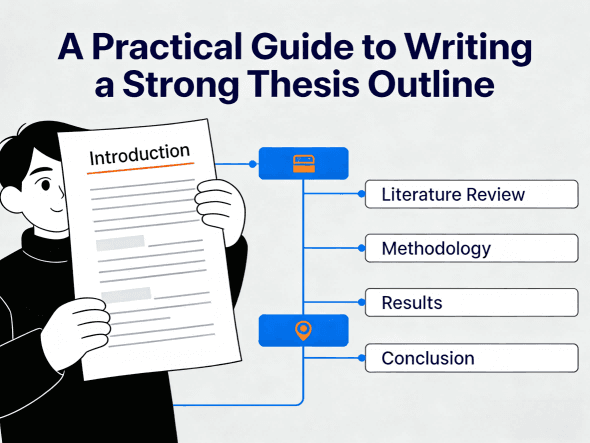
Step 2: Make an Outline
Organize your story before writing. A clear outline ensures your essay has structure and flow. Consider these components:
- Introduction: Set the scene and hook the reader.
- Key Events: Describe the important moments in sequence.
- Climax or Turning Point: Highlight the most significant moment or change.
- Reflection: Explain what you learned or how you grew.
- Conclusion: Tie the story together and, if applicable, connect to the future.
Step 3: Write Your Narrative Essay
Follow your outline to draft the essay. Keep these tips in mind:
- Use first-person voice to make the story personal and engaging.
- Show, don’t just tell—use specific details, actions, and dialogue.
- Keep the theme or lesson clear throughout.
- Use vivid sensory language to immerse the reader.
Step 4: Revise Your Narrative Essay
Revision is where your essay truly takes shape:
- Check clarity: Are all events easy to follow?
- Ensure depth: Does the story show growth or insight?
- Refine details: Do the scenes and dialogue feel vivid and real?
- Maintain theme: Does each paragraph tie back to your central message?
Step 5: Proofread and Publish
Before submitting:
- Correct grammar, spelling, and punctuation.
- Check word count and formatting requirements.
- Read aloud to catch awkward sentences or unclear phrasing.
- Ask a trusted friend or teacher for final feedback.
Following these six steps helps you craft a narrative essay that is engaging, reflective, and polished.
Exclusive Narrative Essay Tips
While following the 5-step process gives you a strong foundation, there are specific techniques that can elevate your narrative essay from good to memorable.
These tips focus on practical ways to enrich your storytelling, maintain tension, and refine your language and structure.
1. Read Sample Essays for Inspiration
How to do it: Select 3–5 high-quality narrative essay examples. Pay attention to their openings, conflict setups, climaxes, and reflections.
Mindset: Do not copy. Use them to spark your own ideas and discover storytelling techniques you can adapt to your story.
Language/Structure: Take notes on sentences or scenes that resonate with you and think about how to create similar impact in your essay.
2. Identify a Potential Antagonist to Create Tension
How to do it: Identify what challenges or obstacles appear in your story—people, situations, or internal conflicts. Examples include:
- A person, such as a teacher or teammate
- An environment or circumstance, like harsh weather or a strict deadline
- An internal struggle, such as fear or self-doubt
Mindset: Treat conflict as story momentum, not a problem. Realistic tension makes your narrative compelling.
Language/Structure: Show conflict through actions, dialogue, expressions, and internal thoughts.
3. Allow Yourself a Rough First Draft
How to do it: Set a time limit (30–60 minutes) and write the story straight through without stopping to edit.
Mindset: The first draft is for capturing ideas, not perfection. Get the story down, polish later.
Language/Structure: Use short, simple sentences to record events and emotions; refine in revisions.
4. Balance Scene and Reflection
How to do it: Each paragraph should combine:
- Scene: 3–5 sentences describing action, dialogue, or setting
- Reflection: 1–2 sentences showing insight or growth
Mindset: Don’t rush to summarize; let the reader immerse in the moment first.
Language/Structure: Use short sentences or line breaks to control rhythm and tension.
5. Play with Language Using Vivid Words
How to do it: Replace generic words with more descriptive verbs and adjectives. Examples:
- “Walked slowly” → “shuffled” or “crept”
- “Happy” → “grinning from ear to ear” or “bubbling with excitement”
Mindset: Every word is part of your scene; choose words that make the reader see, hear, or feel the moment.
Language/Structure: Avoid overloading adjectives; keep it natural but visually strong.
6. Focus on a Captivating Introduction During Revision
How to do it: Ensure your opening:
- Starts with a concrete action or scene
- Immediately hooks the reader
- Hints at the story’s theme or conflict
Mindset: The introduction sets the tone; a strong start encourages the reader to continue.
Language/Structure: Consider using a short sentence, inner thought, or dialogue to enter the story quickly.
7. Perfect Dialogue Formatting, Punctuation, and Paragraph Breaks
How to do it:
- Start a new line for each character’s speech and enclose it in quotation marks
- Add actions or internal thoughts immediately after dialogue for context
- Maintain dialogue rhythm—avoid long monologues
Example:
"I can’t believe you did that," she whispered, glancing around nervously.
Mindset: Realistic dialogue makes characters alive but don’t let it replace narration.
Language/Structure: Use short sentences, pauses, and action tags to enhance tension and pacing.
Writing Different Types of Narrative Essays and Choosing Topics
Narrative essays come in different forms, each with a unique focus and purpose. Choosing the right type and topic ensures your story resonates with readers and clearly conveys a lesson or insight.
Personal Narrative
-Sharing Meaningful Experiences
A personal narrative tells a true story from your life, highlighting change, growth, or insight. The key is to focus on a small, vivid moment rather than an extended period.
- Sample thesis examples:
- “Because I helped my neighbor, I learned kindness can be quiet.”
- “As a result of my first job, I respect small tasks.”
Tip: Small moments feel more immediate and relatable, giving your essay depth and focus.
Literacy Narrative
-Reflecting on Learning
A literacy narrative shows how you learned a skill, developed a talent, or gained mastery over language. It emphasizes learning and personal development.
- Potential topics:
- Learning English at a new school
- Finding your voice in debate club
- Writing a poem that changed how you see yourself
After presenting the story, connect it to a broader insight about learning or growth.
Reflective Narrative
-Connecting Story to Insight
A reflective narrative places insight at the center of the essay. It tells a story while emphasizing introspection and personal lessons. Start with an engaging hook, move through scenes and thoughts, and conclude with a clear takeaway.
Example: “Leadership means listening first.” This type of essay allows readers to see not just what happened, but what it meant to you.
Popular Narrative Essay Topics
When choosing a topic, think about moments that reveal growth, learning, or character. Some common options include:
- A time you overcame adversity, fear, or failure
- Your first experience with a life-changing event and its impact
- A significant relationship and what it taught you
- Deviating from social expectations and the lesson learned
- A childhood incident that shaped your perspective
- A story from family life or travel that influenced your values
Remember, every narrative essay should have a point, a lesson, or a central insight that ties the story together.
Crafting a strong narrative essay takes practice, intention, and reflection,Don’t just recount events—let readers feel the shift, the emotion, and the meaning behind them.
But now you have a complete guide to follow. From choosing the right moment to shaping scenes, building tension, and ending with insight, you’re ready to turn real experiences into stories that stay with readers.
If you want support as you write, EssayPass is here to help. Our AI essay writer can help you spark ideas, organize your storyline, strengthen your language, and polish your final draft. Try it today and bring your narrative to its fullest potential.