
What if the only thing standing between you and your dream university isn’t your GPA, but a single 650-word essay? In a sea of identical test scores, your Application Essay is your only “secret weapon” to prove you are a person, not just a statistic.
Whether you’re an Ivy League hopeful or a PhD researcher, this 2026 guide reveals the insider formulas to mastering the “hook” and using EssayPass AI to transform your rough ideas into a polished, native-level masterpiece before the deadline hits.
What Harvard & Stanford Actually Look for in 2026
-
The 2-Minute Rule: An admissions officer spends an average of 2 minutes on your essay. Your goal is to be memorable, not just correct.
-
The “Vulnerability” Factor: Don’t hide your failures. Schools like Yale and MIT value students who can reflect on setbacks.
-
Institutional Fit: Your essay must answer: “How will this student contribute to our specific campus culture?”
Navigating Different Types of Essays
-
Graduate School Application Essay Help: Often called a Statement of Purpose (SOP), this essay needs to be professional. Since grad school is research-intensive, demonstrating that you understand the rigor of how to write a research paper or how to write an academic essay can be a subtle advantage in your SOP.
-
Medical School Personal Statement Guide: You must explain why medicine. Don’t just say “I want to help people.” Share a specific moment—like volunteering at a hospital—that confirmed your decision.
-
Writing a Scholarship Essay: Don’t be shy about your financial needs, but focus on your future impact. Sponsors invest in your potential, not just your history.
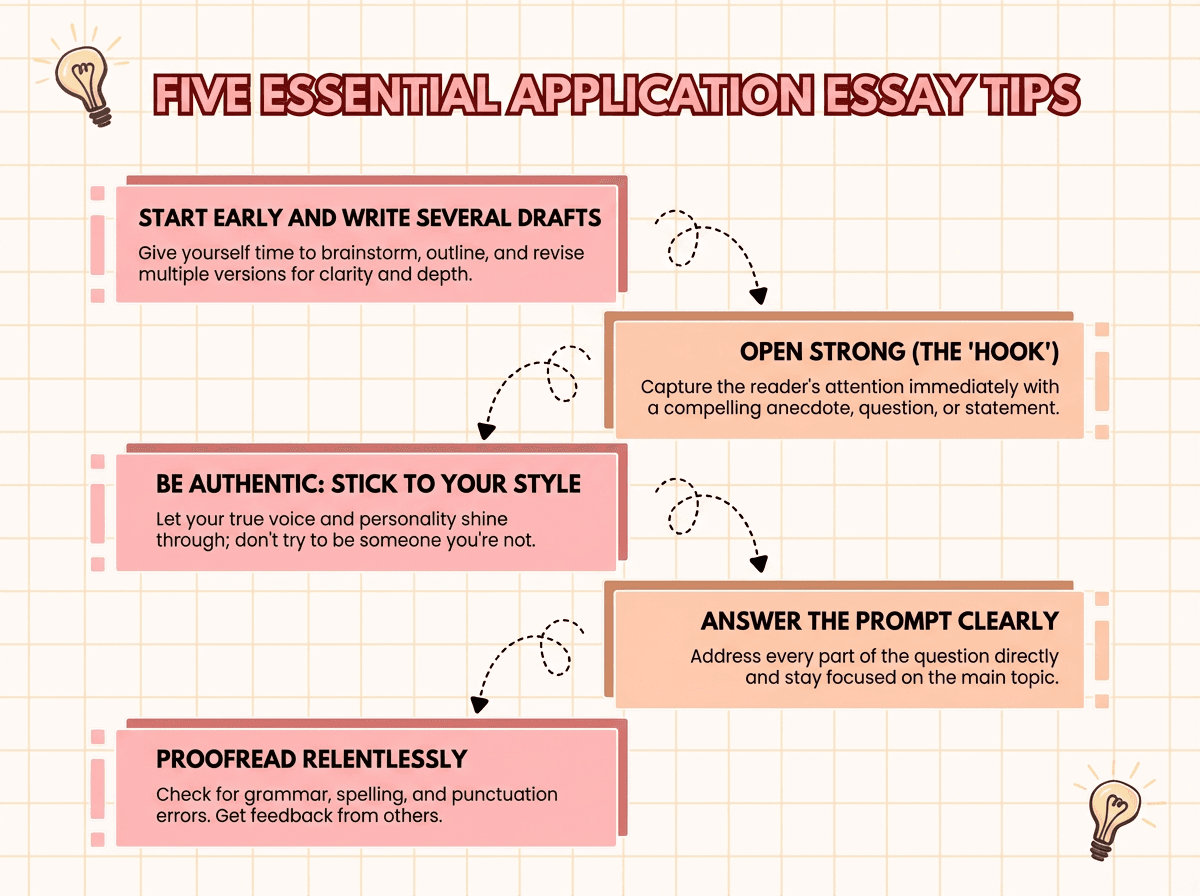
Five Essential Application Essay Tips
Start Early and Write Several Drafts
Open Strong (The “Hook”)
Be Authentic: Stick to Your Style
Answer the Prompt Clearly
Proofread Relentlessly
Format, Word Counts, and Citation Standards
-
The 10% Rule: If your limit is 650 words, aim for 585–630 words. Never go over.
-
Structure for Flow: Use a 4-paragraph “Diamond” structure: Hook -> The Challenge -> The Transformation -> The Future Vision.
-
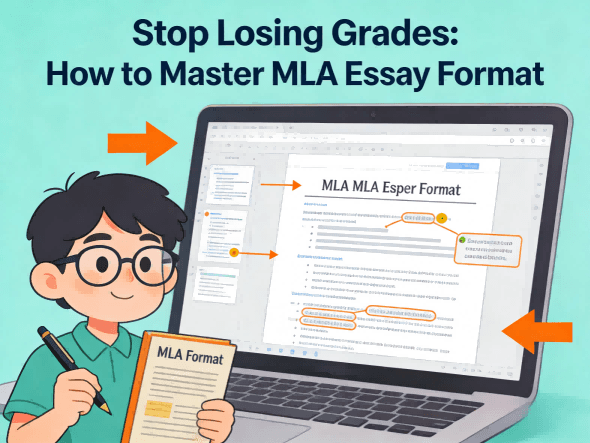
Academic Rigor: For Graduate Statements of Purpose (SOP), ensure your citations are flawless. Whether you need Chicago essay format, APA 7th, or MLA 9, consistency shows professional readiness.
Real Application Essay Examples
Example 1: The Part-Time Job
The Boring Version: “I worked at a coffee shop for two years. It taught me hard work and responsibility because I had to be on time.” (This sounds like a resume, not an essay).The Winning Version: “When the espresso machine broke during the 8:00 AM rush, I didn’t panic. I organized the line, offered free brewed coffee as an apology, and learned that leadership isn’t about giving orders—it’s about staying calm when things go wrong.”
Example 2: The Quiet Hobby
The Boring Version: “I like computer science. I have played games since I was five and I want to create my own.”The Winning Version: “Debugging my first Python script felt like solving a mystery. For three days, I hunted for a missing semicolon. That frustration taught me patience, and the joy of finally seeing the code run is why I want to be an engineer.”
Example 3: The Failed Research Project
The Student: A science or social science student whose major experiment or survey didn’t go as planned.
The Boring Version: “I conducted a chemistry experiment for six months. The results were inconclusive and didn’t match my hypothesis, so I had to write a report explaining why it failed. It taught me that science is difficult.” (This sounds like a summary of a failed grade).
The Winning Version: “When six months of data yielded a flatline instead of the expected curve, I felt the weight of a ‘failed’ hypothesis. However, instead of discarding the samples, I spent my weekends re-examining the catalyst’s purity. I discovered that the anomaly wasn’t an error, but a gateway to a different chemical reaction I hadn’t considered. This taught me that in research, an unexpected ‘no’ is often the start of a much more interesting ‘why’.”
Why it works: It demonstrates Intellectual Resilience and Critical Thinking. Admissions officers love students who don’t crumble when things go wrong but instead dive deeper into the problem.
The Fast Track to a Perfect Essay
EssayPass: Your AI Writing Partner
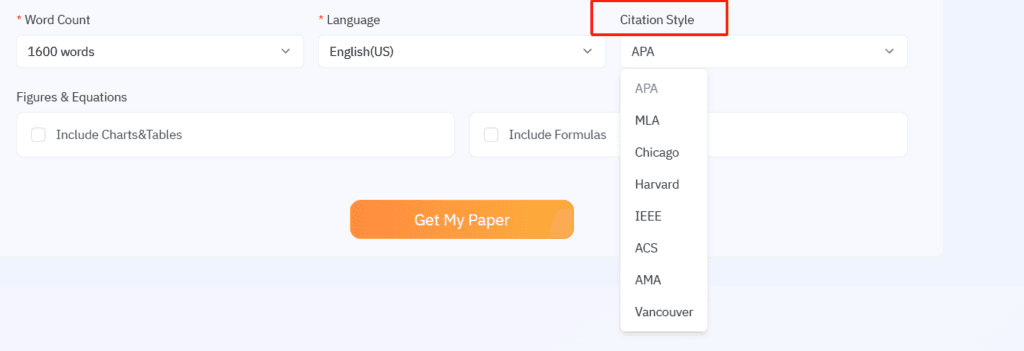
- Citation Format: EssayPass supports 8 citation formats.
-
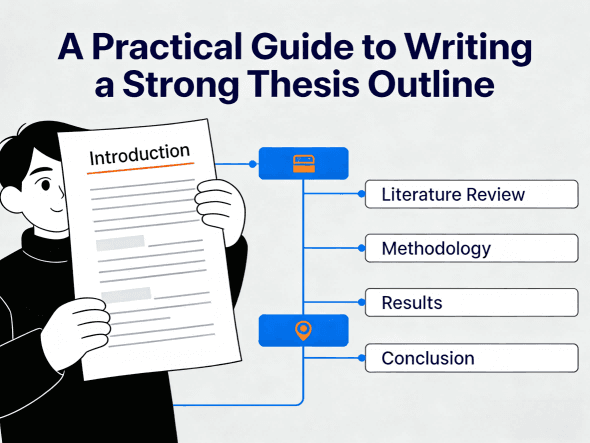
Supports Seven Essay Types: From an Application Essay to a rigorous Research Paper, Case Studies, and Theses.
-
Academic Integrity: Unlike generic AI tools, EssayPass provides real, downloadable references and literature, ensuring your essay is grounded in actual research.
-
Safety First: EssayPass offers optional Turnitin-based plagiarism and AI detection.