A college essay template is a structured writing framework that helps students organize ideas, develop arguments, and complete academic essays clearly and efficiently.
For most students, it is the difference between staring at a blank page for hours and finishing an essay with confidence. If you’ve ever opened a Word document, watched the cursor blink, and thought:
-
“I don’t know how to start this introduction”
-
“My ideas are all over the place”
-
“I have sources, but I don’t know how to use them properly”
-
“What if this sounds too much like AI or gets flagged for plagiarism?”
You’re not alone. These struggles aren’t caused by lack of intelligence. They come from not knowing exactly how to write an academic essay properly. That’s exactly why using the right college essay template matters.
Why Writing a College Essay Feels So Hard Without a Template
Most professors don’t grade based on how “creative” you are. They grade based on structure, clarity, and analysis.
Without a template, students often face:
-
Unclear introductions with no real thesis
-
Body paragraphs that summarize sources instead of analyzing them
-
Repetitive ideas across paragraphs
-
Weak transitions
-
Inconsistent citation formatting (whether you are struggling with APA style or the specifics of Chicago essay format).
According to common academic marking rubrics, the most frequent reason students lose marks is lack of clear argument structure, not grammar.
A college essay template solves this by answering one question at every stage:
“What should I be doing in this paragraph?”
What Makes a Good College Essay Template in 2026
A modern college essay template should do more than list headings. It should guide your thinking and reduce the chance of writing something that gets penalized. To truly help you master word count and quality simultaneously, a strong template should:
-
Force you to write a clear thesis
-
Prevent paragraphs without analysis
-
Help you integrate sources correctly
-
Work across APA, MLA, and Chicago formats
-
Reduce plagiarism and AI-detection risk by improving structure and originality
A Practical College Essay Template (Copy & Paste Friendly)
Below is a universal essay format that students can adapt for most assignments.
Introduction (10–15% of total word count)
Purpose: Introduce the topic, academic context, and your position.
Template Structure:
-
1–2 sentences: Background or academic context (Use strong essay hooks here to grab attention).
-
1 sentence: Define the central issue or research question
-
1 sentence: Clear thesis statement
Thesis Formula Example:
This essay argues that [main claim] by analyzing [key factors] using [method or perspective].
❗ Common mistake professors penalize: Long introductions with no clear thesis.
Body Paragraph Template (Repeat 3–6 Times)
Every strong body paragraph should follow this exact structure:
-
Topic Sentence: One clear claim related to the thesis
-
Evidence: Academic source, study, or data
-
Analysis: Explain why the evidence supports your claim
-
Link Back: Connect the paragraph to your main argument
❗ If your paragraph only summarizes sources without analysis, it will score low.
Counterargument Section (For Argumentative Essays)
Professors often look for this section specifically, especially when you learn how to write an argumentative essay. Structure:
-
Present an opposing viewpoint
-
Explain why it seems reasonable
-
Refute it using evidence and reasoning
This shows critical thinking and usually improves grades.
Conclusion (More Than a Summary)
A strong conclusion should do more than just stop writing. For a detailed guide, check our tips on writing an effective essay conclusion.
-
Restate the thesis in new wording
-
Emphasize key insights
-
Explain why the topic matters academically
❗ Do not introduce new evidence here.
College Essay Templates by Essay Type
Using the wrong structure is a common student mistake.
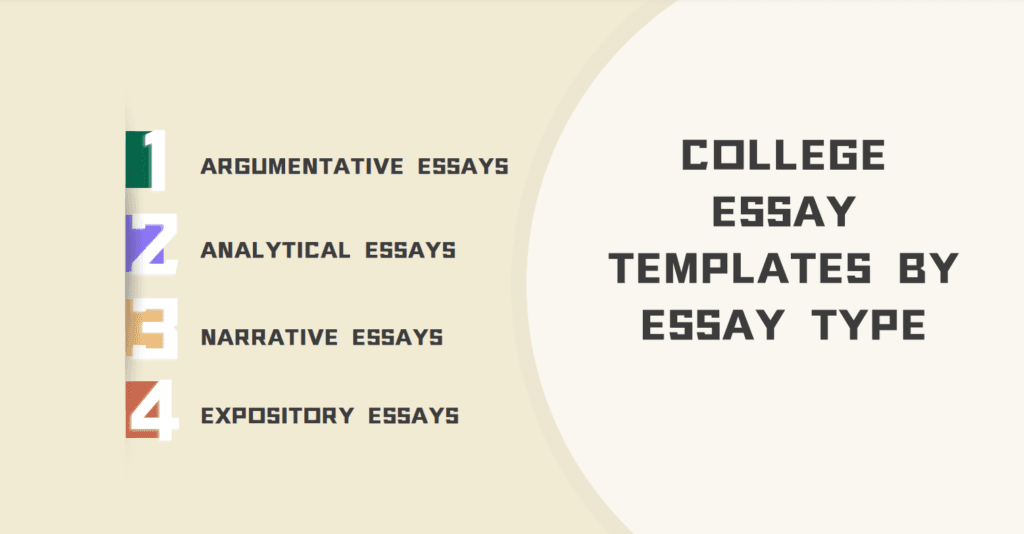
Argumentative Essays
-
Claim → Evidence → Analysis → Counterargument
Analytical Essays
-
Break down ideas → Interpret meaning → Explain significance
Narrative Essays
- If you are unsure how to write a narrative essay, focus on: Experience → Reflection → Academic insight.
Expository Essays
-
Explain concept → Provide example → Clarify understanding
Common Mistakes This College Essay Template Helps You Avoid
This template is designed to prevent the most common grading issues:
-
Vague or missing thesis statements
-
Paragraphs without analysis
-
Evidence dumping
-
Conclusions that repeat the introduction word-for-word
-
Logical jumps between paragraphs
Avoiding these alone can significantly improve grades.
Real Student Example: Why Templates Matter
Emily, a first-year psychology student, had to write a 2,000-word APA argumentative essay.
She had research articles but no structure.
After using a clear college essay template:
-
She finished her draft faster
-
Her argument stayed focused
-
Her citations were consistent
-
She scored higher than her usual average
The improvement wasn’t about writing talent — it was about organization.
The Limits of Traditional College Essay Templates
Even good templates have limitations:
-
They don’t generate content
-
They don’t check plagiarism
-
They don’t adapt automatically to citation styles
-
They don’t help integrate sources
This is why many students still feel stuck after outlining.
When a College Essay Template Isn’t Enough
Even with a solid template, students often struggle with:
-
Turning structure into full paragraphs
-
Meeting word count requirements
-
Managing citations correctly
-
Worrying about AI or plagiarism detection
This is where guided academic writing tools can help.
Essaypass: Applying the College Essay Template Without Stress
Essaypass is an academic writing platform designed to help students apply essay templates in real assignments. Instead of just showing structure, it helps generate a complete, organized draft while maintaining academic standards.
Key Features
-
Full essay generation with logical structure
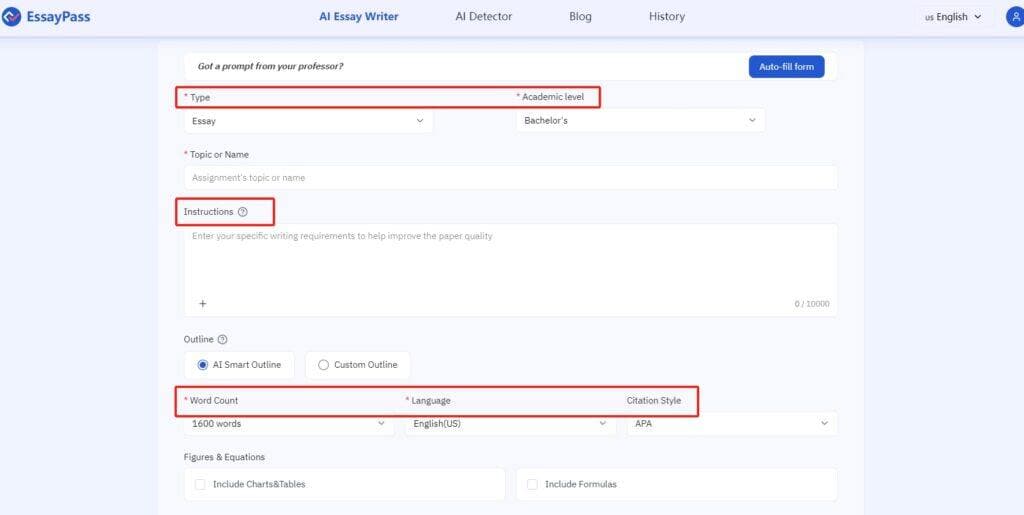
-
Flexible word count (800–20,000 words)
-
Multiple citation formats (APA, MLA, Chicago, Harvard)
-
Support for multiple essay types (from simple essays to complex case studies).
-
Optional Turnitin-based plagiarism and AI Detectoion.
-
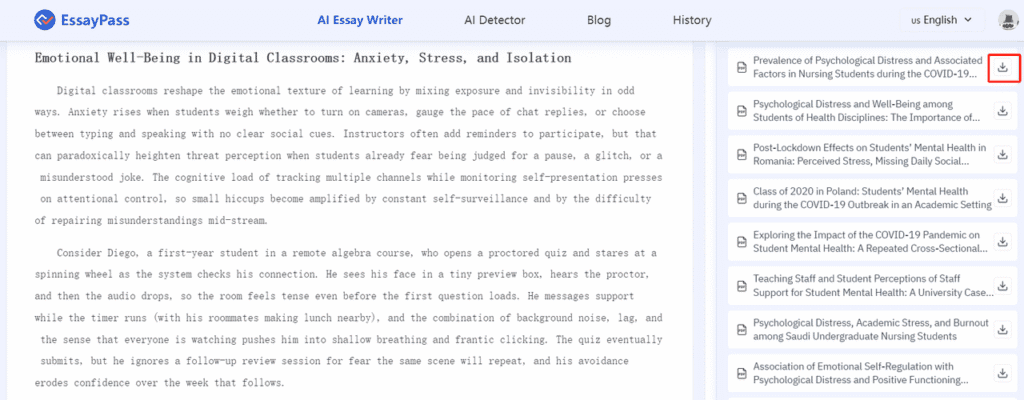
Real, downloadable academic sources
-
Additional academic deliverables (summaries, FAQs, writing strategy, AI-assisted editing)
How Essaypass Fits Into the Writing Process
-
Enter your topic and requirements
-
Select essay type, word count, and format
-
Generate a structured draft
-
Review plagiarism and AI detection results
-
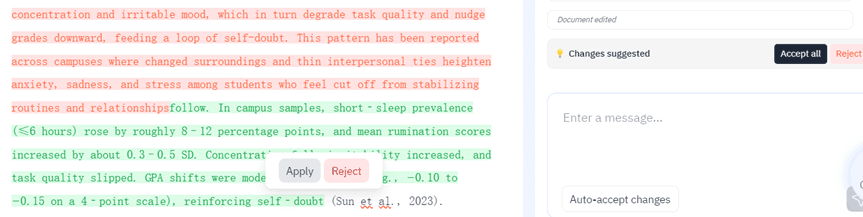
Revise using AI-assisted editing tools
-
Submit with more confidence
Essaypass doesn’t replace learning — it reduces unnecessary stress.
Who This Approach Works Best For
This template-based approach is ideal for:
-
First-year college students
-
Students under tight deadlines
-
Non-native English writers
-
Students worried about plagiarism or AI detection
-
Anyone who wants structure without anxiety
Final Thoughts: From Blank Page to Confident Submission
A strong college essay template transforms confusion into clarity. Using the right tools turns clarity into results.
If you’re tired of rewriting the same essay, second-guessing structure, or stressing about academic checks, combining a clear template with guided writing support can make a real difference.
With structured essay outlines, real sources, and academic safeguards, students can move from a blank page to confident submission — faster and with less stress.
Need to start writing immediately? Try the Essaypass AI Essay Writer today to generate a structured, cited essay in minutes.